Five European Union countries have announced a plan to send rejected asylum seekers to a “return hub” in Rwanda, in a move that would mark a sharp hardening of European migration policy.
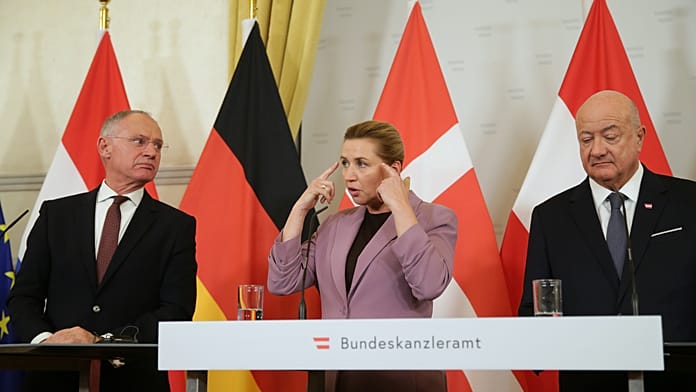
Austria, Denmark, Germany, Greece and the Netherlands unveiled the scheme in Vienna on Monday, alongside Rwanda’s interior minister, Vincent Biruta. The center would take people who have been ordered to leave Europe but cannot be returned to their home countries, offering them a residence permit in Rwanda and support to settle there, return home voluntarily or move to another country where they have a legal right to stay.
The five governments say the hub would be an open, temporary facility holding around 100 people at a time, about 20 from each country, with access to training, jobs, education and healthcare. Unlike Britain’s abandoned Rwanda plan, it would apply only to people who have exhausted all legal avenues to remain in the EU, rather than to asylum seekers whose claims are still being processed.
No formal agreement has been signed yet. Negotiations with Kigali are expected to conclude in early 2027, with the first transfers possible later that year. The European Commission has welcomed the initiative, and the UN refugee agency, UNHCR, said it was in discussions with the five countries about making the process compliant with international human rights law.
Rights groups condemned the plan. A joint statement by 47 aid, trade union and rights organisations urged the five countries to abandon it, warning it could expose vulnerable people to abuse. Supporters, including Danish Prime Minister Mette Frederiksen, say the aim is deterrence as much as numbers: a visible signal that people with no right to stay will be removed. The scheme follows the EU’s new Return Regulation, adopted in mid-October to speed up deportations.